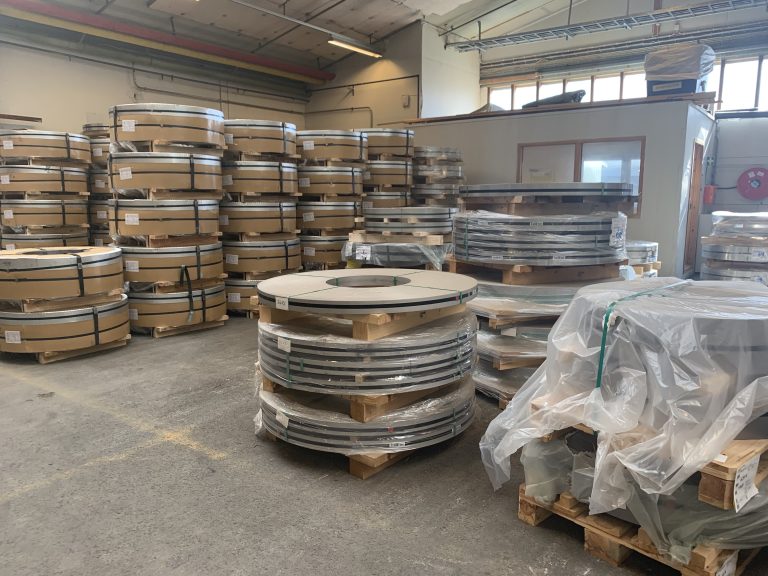
For many B2B buyers, stainless steel 2B finish is the default choice for coils and sheets, but it is not always clear what “2B” really means or when it is the best option. This article explains 2B finish in simple, practical terms so you can make better purchasing decisions and talk more confidently with your engineering and QA teams.
What is stainless steel 2B finish?
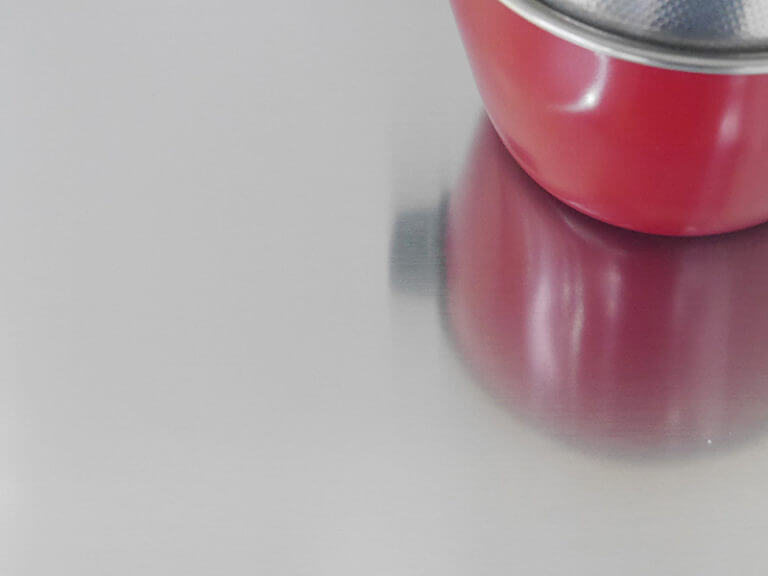
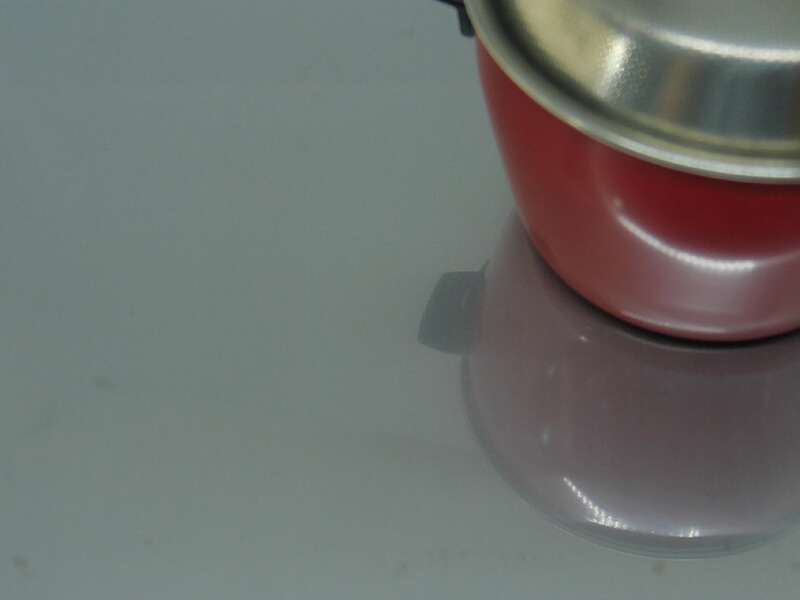
2B is a cold-rolled, heat-treated and pickled stainless steel finish with a smooth, slightly reflective gray surface. It is produced by cold rolling the material, annealing it, descaling it, and then applying a light final skin pass with polished rolls.
In practice, this gives you a surface that is:
- Smoother than hot rolled or 2D finishes
- Less reflective than BA (bright annealed) or mirror finishes
- Easy to clean and suitable as a base for further polishing or coating
Common grades and thickness ranges
2B finish is available in most common austenitic and ferritic stainless steel grades. Typical choices for coils and sheets include:
- 304 / 304L: General-purpose grade for equipment, tanks, structural parts
- 316 / 316L: For higher corrosion resistance in food, chemical and marine environments
- 430, 409 and other ferritic grades: For cost-sensitive applications that do not require nickel-containing alloys
For many service centers and distributors, 2B coils and sheets cover a wide thickness range from thin strip around 0.3–0.5 mm up to 3.0 mm or more, depending on grade and mill capability.
Key properties B2B buyers care about
From a buyer’s point of view, 2B finish matters because it directly affects cleanliness, downstream processing and final appearance. Three important aspects are:
- Surface roughness
- 2B finish typically has a relatively low surface roughness (Ra), smoother than hot rolled or pickled finishes.
- Lower Ra helps with cleanability, hygiene and sometimes better corrosion resistance compared to rougher surfaces.
- Corrosion resistance
- Corrosion resistance is mainly driven by grade and environment, but a clean, smooth 2B finish helps the passive layer form and makes it easier to remove contaminants and deposits.
- Formability and workability
- 2B surface is suitable for bending, deep drawing and other forming operations used in equipment, enclosures and fabricated parts.
Typical applications of 2B finish
Because 2B offers a good balance of cost, cleanliness and processability, it appears in many industries:
- Food and beverage equipment (internal panels, tanks, enclosures that are not visible decorative surfaces)
- Chemical processing and pharmaceutical equipment
- Industrial enclosures, electrical cabinets and machine covers
- Building and construction components that will be painted, covered or further finished
- As base material for hairline, No.4 or brushed finishes during secondary processing
If a surface will be visible to end users and aesthetics are critical, buyers often specify No.4, hairline or mirror finishes instead and use 2B mainly as a base material.
2B vs No.4 and other finishes: how to choose
When you compare 2B with other popular finishes, you can think in terms of three trade-offs: appearance, cleanability and cost.
Finish | Appearance | Typical use case | Relative cost* | Notes |
2B | Smooth, dull gray, slightly reflective | Internal parts, non-decorative surfaces, base for further finishing | Low | Good default for industrial and hygienic applications. |
No.4 | Directional brushed look | Visible panels, appliances, architectural components | Medium | More decorative, hides minor scratches better than 2B. |
BA | Bright, highly reflective | Decorative panels, small appliances, interior design | Medium–high | Needs careful handling to avoid scratches. |
2D | Matte, non-reflective | Structural or hidden components | Low | Rougher surface, less common in visible applications. |
*Relative cost is indicative only and depends on thickness, grade and supply conditions.
If the surface will be hidden, painted, laminated or further processed, 2B is often the most cost-effective starting point. If the surface is visible to end customers, No.4 or hairline are usually preferred.
STAINLESS STEEL SURFACE FINISH
How GennHann Stainless Steel supports your 2B projects
For many projects, the real difference is not just the 2B finish itself, but how your distributor manages selection, processing and logistics. GennHann Stainless Steel focuses on helping B2B buyers turn “2B” from a basic specification into a reliable, low-risk solution across multiple industries.
At GennHann Stainless Steel, we:
- Supply 2B finish coils and sheets in common grades such as 304/304L and 316/316L for food, chemical and equipment applications
- Offer slitting and cutting services so you receive the right width and length for your production lines
- Coordinate 2B base material with downstream surface options such as No.4, hairline and other finishes when your parts include both hidden and visible areas
Because we work closely with both engineering and procurement teams, we can discuss not only price and lead time, but also formability, weldability and long-term maintenance requirements for your end products.
Buying 2B finish from GennHann Stainless Steel: what you can expect
When you source 2B finish from GennHann Stainless Steel, you can expect a structured, transparent process rather than one-off spot deals.
- Clear specifications
We align grade, standard, thickness, width and tolerance with your drawings and internal standards before confirming orders. - Consistent surface quality
By controlling coil sources and processing routes, we aim to keep the 2B surface appearance consistent across batches so assemblies look uniform. - Documentation and traceability
We provide material certificates and traceability information to support your QA process and customer audits. - Project-based support
If your project includes mixed finishes (2B + No.4 or hairline) or multiple thicknesses, we help you plan material combinations and delivery schedules to reduce surprises on the shop floor
FAQ: Stainless steel 2B finish
Q1. Is 2B finish suitable for visible decorative surfaces?
In most cases, 2B finish is better for internal or non-decorative surfaces, or as a base for further finishing such as No. 4, hairline or coating. If the panel will be directly visible to end users, a brushed or polished finish is usually preferred.
Q2. How does 2B finish compare to No. 4 in terms of maintenance?
2B finish is smooth, easy to clean and generally low maintenance, making it suitable for hygienic and industrial environments. No. 4 provides a more decorative brushed look but may require periodic re-graining in high-contact areas to maintain a consistent appearance.
Q3. Can I upgrade a 2B surface to a more decorative finish later?
Yes. 2B is often used as the starting surface for further processing such as brushing, polishing, color coating or other surface treatments. Many service centers and distributors, including GennHann Stainless Steel, can supply 2B coils or sheets ready for downstream finishing according to your project needs.
Q4. What information should I include when asking for a 2B quotation from GennHann Stainless Steel?
For an efficient quotation, it helps to include grade (e.g. 304, 304L, 316L), thickness and width range, required standard (ASTM / EN / JIS), expected annual or project volume, and whether you need slitting, cutting or further surface treatment. If your project has specific Ra or cleanliness requirements, you can add this as well so GennHann can match a suitable coil source and processing route.
Q5. In which industries does GennHann Stainless Steel typically supply 2B finish material?
GennHann Stainless Steel mainly supplies 2B finish coils and sheets to customers in food and beverage equipment, chemical and pharmaceutical equipment, industrial machinery, enclosures, and building-related components where a clean, functional surface is required. Depending on the project, 2B may be used as the final surface for internal parts or as the base for No. 4 or hairline on visible panels.
Conclusion
In the world of industrial manufacturing, the 2B finish is more than just a default surface; it is a critical balance of cost, cleanability, and processability. While its smooth, dull gray appearance makes it the ideal “workhorse” for internal components and industrial enclosures, its true value lies in its versatility as a high-quality base for further finishing
Ready to optimize your stainless steel sourcing? Provide your current material specs and annual volume to GennHann Stainless Steel. We specialize in providing documented, traceable, and perfectly cut 2B coils that reduce surprises on your shop floor. Contact us for a tailored quotation